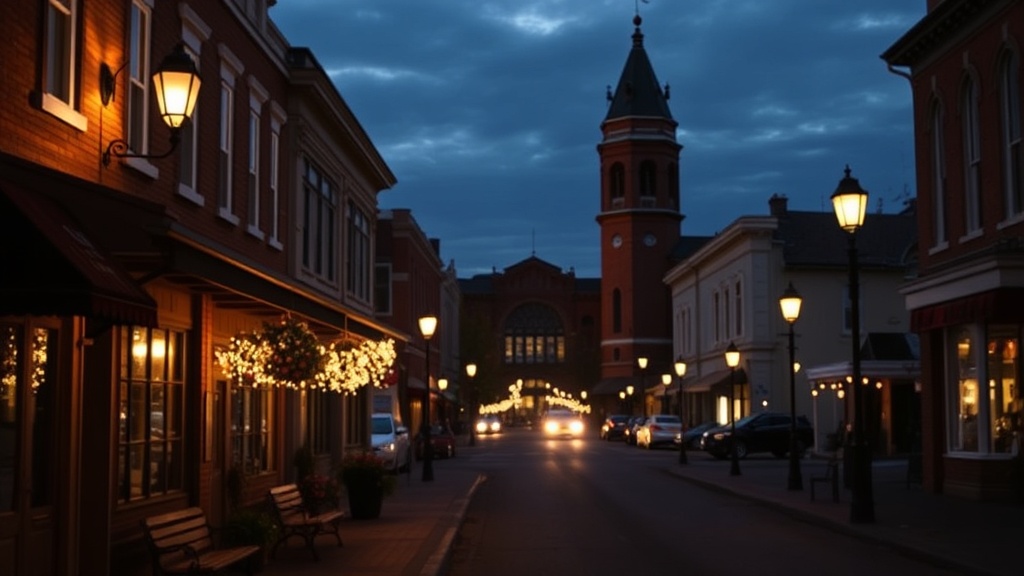
Walking Through Lacombe's Historic Charm

A tourist stops mid-stride on 49th Street, squinting at the brickwork of a building that looks more like it belongs in a London suburb than central Alberta. They check their phone, realize they aren't in the UK, and then realize they are actually standing in front of a piece of local history. This guide explores the architectural heritage of Lacombe, highlighting the specific buildings, historical districts, and the best ways to experience our town's vintage charm on foot.
Lacombe isn't just a stop on the way to Red Deer or Ponoka. It’s a place where the architecture tells a story of the railway, the agricultural boom, and the settlers who built this town from the ground up. Understanding these structures helps you appreciate why our downtown looks the way it does today.
Where is the best place to see historic architecture in Lacombe?
The best place to see historic architecture is the downtown core, specifically the stretch of 49th Street between 50th and 54th Avenues. This area contains the highest concentration of late 19th and early 20th-century commercial buildings that define our town's character.
As you walk, look for the distinction between the heavy masonry of the older storefronts and the more modern renovations. The Alberta Heritage Buildings designation isn't just a label; it's a mark of how much these structures survived the changing economic tides of the province. You'll notice a lot of brickwork that has survived decades of Alberta's brutal freeze-thaw cycles. It's impressive, really.
Key Architectural Features to Spot:
- Brick Masonry: Look for the deep reds and oranges in the older storefronts.
- Cornice Details: Those decorative edges at the top of buildings aren't just for show—they add character to the skyline.
- Transom Windows: These are the small windows above the main doors, originally designed to let light deep into the shops before electricity was standard.
If you find yourself wandering near the park areas, you might notice a shift in style. The way we use space in our parks—much like the details found in Hidden Gems and Quiet Corners of Lacombe Parks—reflects a different era of urban planning. It's more about utility and community gathering than the dense, commercial energy of the downtown core.
The Evolution of the Main Street
The downtown area has undergone several iterations. In the early days, many buildings were wood-framed, but as the railway brought more wealth to the region, brick and stone became the standard. This transition was driven by a desire for permanence. People wanted to show that Lacombe was here to stay.
One of the most striking things about our downtown is how the businesses have adapted. You might see a shop that looks like it's from 1910 on the outside, but the interior has been updated for modern retail. This blend of old and new is what keeps the area feeling alive rather than like a museum.
How much time do I need to explore the historic district?
You only need about two hours to see the primary historic-looking buildings if you are walking at a steady pace. However, if you want to actually stop and look at the details or pop into a shop, plan for a half-day.
A quick stroll is fine if you're just passing through, but the real magic happens when you slow down. I've found that the best way to experience the town is to combine a walk with a slow morning. If you're looking for a place to sit and process what you've seen, check out my notes on local coffee spots. A coffee in hand makes the walking tour feel less like a chore and more like a leisure activity.
| Activity Type | Estimated Time | Vibe |
|---|---|---|
| Quick Photo Walk | 30-45 Minutes | Fast-paced, observational |
| Full Downtown Tour | 2 Hours | Engaged, detailed |
| Community Immersion | 4+ Hours | Relaxed, social |
The catch? Don't try to do too much in one go. If you try to walk the entire length of the town in one afternoon, you'll be exhausted before you even get to the good parts. Stick to the downtown core for the best architectural density.
What are the must-see landmarks in Lacombe?
The most significant landmarks are the historic commercial buildings on 49th Street and the various municipal structures that serve as anchors for the community. These buildings act as the visual "anchors" for the town's identity.
While there isn't a single "monument" that defines us, the collective look of the downtown area is our greatest landmark. The way the buildings line the street creates a sense of enclosure and history that you don't get in the newer developments out towards the highway. It feels intentional.
A Recommended Walking Route:
- Start at the North end of 49th Street: Observe the transition from modern retail to older, more decorative masonry.
- The Mid-Block Pause: Stop near the center of the downtown area to look up at the cornices and window details.
- The Park Transition: Walk toward the green spaces to see how the town's layout shifts from commercial to recreational.
- The End Point: Finish your walk near one of our local eateries to enjoy the "culture" that these buildings support.
It's worth noting that many of these buildings have survived through significant economic shifts. This resilience is part of the charm. You aren't just looking at bricks and mortar; you're looking at the physical evidence of a community that refused to disappear when the economy dipped.
If you're planning a trip during the warmer months, the atmosphere changes. The way the light hits the brick in the late afternoon is something special. It's a perfect time for photography. If you're interested in more seasonal ideas, my guide on summertime in Lacombe might give you some ideas for your next outing.
The architecture here isn't just a backdrop. It's the foundation of our local identity. Whether you're a history buff or just someone who appreciates a well-built building, there's plenty to see if you keep your eyes up.
One thing to keep in mind: many of these buildings are privately owned. While they are part of our public view, they are also active businesses. Respect the-space-as-it-is-used. A quick photo of a facade is great, but don't forget that there's a real person working inside that historic shell.
The next time you drive through, don't just look at the traffic lights. Look at the buildings. There's a lot more going on than a simple streetscape.