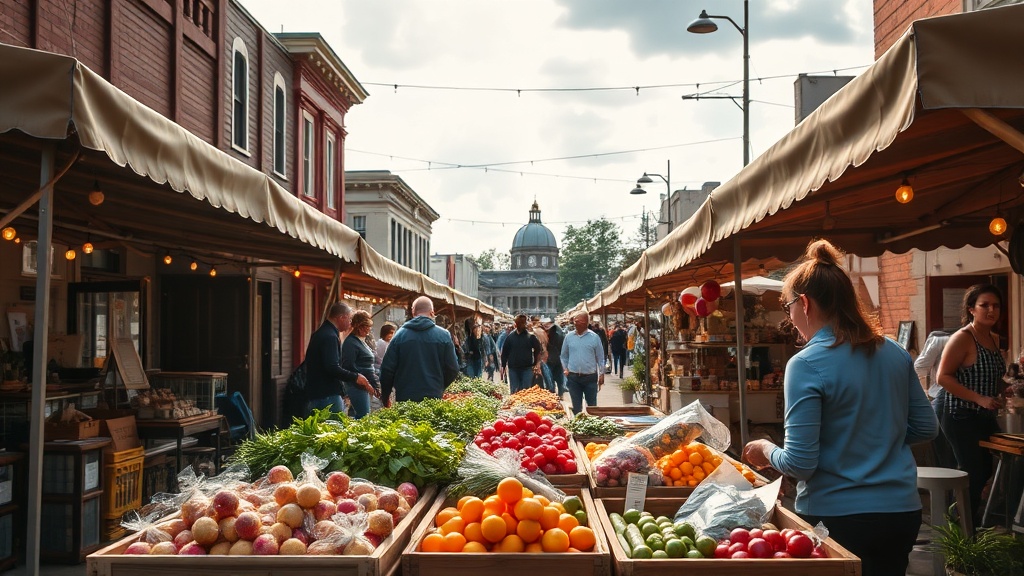
A Weekend of Local Flavors and Small Town Markets

This post details the best ways to experience local food and seasonal markets throughout Central Alberta this weekend, specifically focusing on the vendors and locations around Lacombe and the surrounding areas. You'll find specific details on where to source high-quality Alberta beef, fresh produce, and artisan goods without relying on big-box grocery stores. It's about knowing exactly where to go to get the freshest ingredients for your kitchen.
Where can I find the best seasonal produce in Lacombe?
The best seasonal produce in the Lacombe area is found at the local farmers' markets and through direct-to-consumer farm stands located along Highway 2 and the secondary highways surrounding the city. While grocery stores carry standard stock, the real quality shows up when you hit the local farm gates. If you want to know more about the timing of harvests, checking the agricultural cycles in Alberta is a smart move.
Local markets change based on the season. In the summer, you're looking at berries, snap peas, and heirloom tomatoes. By the time autumn hits, it's all about root vegetables and squash. If you're a serious cook, you should check out my previous guide on finding the best local seasonal produce to keep track of what's coming down the line.
Don't just stick to the big markets. A lot of the best stuff comes from the small, family-run operations that don't even have a formal storefront. They just have a sign on the road. It's a bit of a scavenger hunt, but the flavor difference is massive.
Pro Tip: Always bring cash. Many of these smaller producers in Central Alberta prefer it, even if they have a card reader. It makes the transaction faster for everyone.
Seasonal Availability Comparison
| Season | Primary Produce | Best Location |
|---|---|---|
| Spring | Asparagus, Green Onions, Radishes | Local Garden Centers |
| Summer | Strawberries, Peaches, Tomatoes | Farmers' Markets |
| Autumn | Pumpkins, Squash, Potatoes | Direct Farm Stands |
| Winter | Root Vegetables, Preserves | Online Local Orders |
What are the best local food brands to look for?
Look for brands that carry the "Alberta Grown" or "Product of Alberta" designations to ensure you're supporting the local economy. Brands like West Coast Best or local artisanal honey producers often show up in local specialty shops around Lacome. If you're looking for high-quality meat, you want to find producers who follow Alberta's strict agricultural standards.
I've noticed a trend lately where people are moving away from the massive supermarket chains and toward specialized local butchers. The difference in the marbling of the beef is night and day. It's not just about the taste; it's about knowing the animal was raised right here in our backyard.
Here are a few things to look for when shopping for local goods:
- Local Honey: Look for clover or wildflower varieties harvested in Central Alberta.
- Artisan Breads: Seek out sourdoughs made with local grains.
- Grass-fed Beef: This is the gold standard for Alberta ranching.
- Small-batch Jams: Often found at the Lacombe market stalls.
It's easy to get caught up in the convenience of a big grocery run, but the quality of a local sourdough or a jar of honey from a neighbor is hard to beat. It's a different level of craftsmanship.
Actually, one thing to watch out for is the "local" labeling. Sometimes, a product might be packaged here but the ingredients come from halfway across the world. Always read the fine print. If it's truly local, the producer will be proud to tell you exactly where it came from.
How much does a local market visit cost?
A typical weekend trip to a local market in the Lacombe area will cost anywhere from $40 to $150 depending on whether you're just grabbing snacks or doing a full weekly grocery haul. While individual items might have a slightly higher price point than a discount big-box store, the shelf life and flavor often justify the cost.
Here's a breakdown of what you might spend on a standard "local haul":
- The Basics: A dozen eggs and a loaf of fresh bread ($15 - $20).
- The Produce Run: Seasonal berries, greens, and a bag of potatoes ($25 - $40).
- The Specialty Item: A jar of local honey or a specialty cheese ($12 - $25).
- The Meat Component: A pound of local butcher-cut steak or ground beef ($15 - $30).
It's not a cheap way to shop, but it's an investment in quality. I've found that my produce from the local market stays fresh in the fridge much longer than the stuff from the massive-scale distributors. You aren't paying for the shipping and the massive-scale marketing; you're paying for the actual food.
If you're trying to budget, I suggest picking one or two "hero" items. Maybe you get your meat and eggs locally, but get your pantry staples (like flour or oil) at a standard store. That's a great way to balance the cost. It's a strategy I use a lot. (It's much more sustainable for the wallet, too.)
One thing to keep in mind is that prices fluctuate wildly based on the weather. A bad frost can drive the price of berries up instantly. It's part of the deal with real farming. You can't control the climate, and you can't control the market price, but you can control where you spend your money.
If you want to find more places to spend your time when you aren't shopping, you might enjoy exploring Lacombe's heritage. There's a lot of history tied to the very land these farmers work.
The local food scene is about more than just eating. It's about the community. When you talk to the person selling the carrots, you're often talking to the person who grew them. That connection is something you just don't get in a warehouse-style grocery store. It's a different way to live, and honestly, a much better way to eat.
Whether you're looking for a specific ingredient for a Saturday night dinner or just want to wander through the stalls to see what's new, the Lacombe area has plenty to offer. Just remember to check the weather before you head out—the markets can be hit or miss depending on the wind and rain.